Onze opa
广州市荔湾区自来水公司
Waterleidingbedrijf van Guangzhou
Dit bedrijf was actief in de stedelijke watervoorziening van Guangzhou. Waterwinning, zuivering en distributie waren belangrijk voor het dagelijks leven en de ontwikkeling van de stad.
Stories, generations and memories — preserved together.
De werkplekken van onze grootouders vormen een waardevol onderdeel van de familiegeschiedenis in Guangzhou.
Dit bedrijf was actief in de stedelijke watervoorziening van Guangzhou. Waterwinning, zuivering en distributie waren belangrijk voor het dagelijks leven en de ontwikkeling van de stad.
Dit bedrijf was verbonden aan de groentesector in Guangzhou. Groentehandel en distributie hielpen de stad dagelijks van verse producten te voorzien.

Familieherinnering: de werkplekken zijn door de familie bevestigd. Exacte functies, dienstjaren en aanvullende bedrijfshistorie zijn nog niet vastgesteld.
Dit huis in de oude wijk Liujia Ci in Guangzhou is een bijzondere plaats in onze familiegeschiedenis. De familie bleef er wonen tot in de jaren 1990. Het huis bestaat nog altijd en is nog steeds in familiebezit, hoewel het inmiddels in vervallen staat verkeert.
Het exacte adres, de locatie en de huisfoto’s zijn alleen beschikbaar voor beheerders.
De omgeving van Liujia Ci en Pantang stond bekend om haar nauwe steegjes, grijze bakstenen huizen en het dagelijkse contact tussen buren. Een krantenreportage over oude en nieuwe buurtbewoners (《老街坊新街坊》) beschrijft hoe buren elkaar hielpen, kinderen buiten speelden en voormalige bewoners contact bleven houden nadat veel gezinnen waren verhuisd. Dit is achtergrond over de buurt; het artikel beschrijft niet specifiek het leven van de familie Chow.
Bronnen: familieherinneringen en de twee eigen huisfoto’s; 《老街坊新街坊》 uitsluitend als historische achtergrond. Oude adresnummering en bouwjaar zijn nog niet officieel bevestigd.
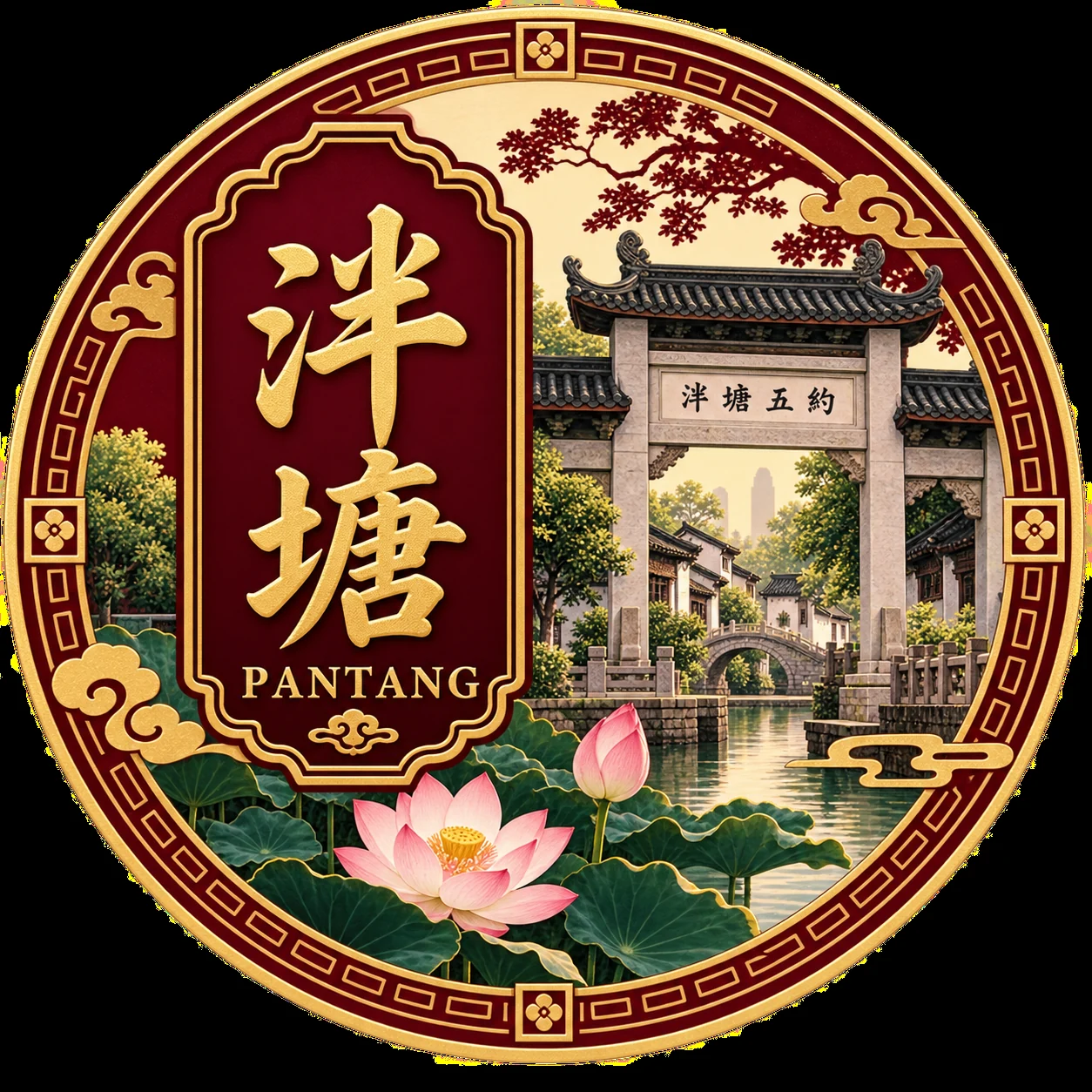
Het familiehuis aan 劉家祠後街32號 ligt in een deel van Guangzhou dat nauw verbonden is met de oude wijken Pantang en Xiguan. De geschiedenis van de vijvers, steegjes, markten en tempels geeft achtergrond aan de omgeving waarin de familie Chow woonde. Dit is buurtgeschiedenis, geen bewijs dat familieleden aan specifieke gebruiken deelnamen.
 View photograph at Wikimedia Commons ↗
Een oude dorpskern met traditionele steegjes, grijs baksteenwerk en voorouderhallen. De bewaard gebleven straatstructuur laat iets zien van het vroegere Liwan.
 View photograph at Wikimedia Commons ↗
Een historische taoïstische tempel gewijd aan de Noordelijke Keizer. Volgens familieherinneringen wordt hier een gebedsprentje voor onze grootouders bewaard.
 View photograph at Wikimedia Commons ↗
Het park met meren en paviljoens herinnert aan het vroegere waterrijke landschap van Pantang.
 View photograph at Wikimedia Commons ↗
Kanalen, bruggen en wandelpaden herinneren aan de historische waterwegen van het oude Xiguan.
 View photograph at Wikimedia Commons ↗
Pantang staat bekend om de vijf watergewassen (泮塘五秀), die hieronder afzonderlijk worden beschreven. Vooral waterkastanjecake (泮塘馬蹄糕) is een herkenbare lokale lekkernij. In de bredere omgeving van Liwan zijn ook sampancongee (艇仔粥), dimsum en rijstnoedelrolletjes (腸粉) geliefd.
 View photograph at Wikimedia Commons ↗
Panxi Restaurant (泮溪酒家) is een bekende traditionele Kantonese tuinrestaurant in de omgeving van Liwan Lake. Pantang Road (泮塘路) en de straten rond Lychee Bay zijn verbonden met de plaatselijke eetcultuur. Deze locaties worden als buurtgeschiedenis genoemd, niet als bewezen familiebezoeken.
 View photograph at Wikimedia Commons ↗
Drakenboottradities, de vieringen rond Renwei-tempel, Kantonese opera en het contact tussen oude buren behoren tot de culturele geschiedenis van Pantang en Xiguan. Het artikel 《老街坊新街坊》 beschrijft het verdwijnen van veel oude bewoners uit Liujia Ci en de onderlinge banden die bleven bestaan.
 View photograph at Wikimedia Commons ↗
In de twintigste eeuw veranderde het landschap van vijvers, waterwegen en traditionele huizen door wegenbouw en stadsontwikkeling. Zo biedt de geschiedenis van Pantang context bij de veranderingen rond Liujia Ci, zonder onbevestigde details over het familiehuis toe te voegen.
Verder lezen: Liwan District Government over Pantang Wuyue en historische achtergrond van Liujia Ci. De familiegegevens op deze pagina zijn afzonderlijk gebaseerd op familieherinneringen en eigen foto’s. 泮塘五約 ↗
Pantang (泮塘), in het district Liwan van Guangzhou, was vroeger een waterrijk landbouwgebied. De vijf traditionele gewassen staan bekend als de “Pantang Wu Xiu” (泮塘五秀). Het zijn niet allemaal wortelen: sommige zijn knollen, wortelstokken of vruchten.
 Bekijk de productfoto bij Wikimedia Commons ↗
Knapperige lotuswortelstok, gebruikt in soep en roerbakgerechten.
Bekijk de productfoto bij Wikimedia Commons ↗Zoete, knapperige waterkastanje, ook gebruikt in desserts.
 Bekijk de productfoto bij Wikimedia Commons ↗
Waterplant met gehoornde vruchten, meestal gekookt gegeten.
 Bekijk de productfoto bij Wikimedia Commons ↗
Malse verdikte stengel van watergras, geschikt om te roerbakken.
 Bekijk de productfoto bij Wikimedia Commons ↗
Zetmeelrijke knol die vaak in stoofgerechten wordt gebruikt.
Deze vijf gewassen maken deel uit van de culinaire geschiedenis van Pantang en het oude Xiguan.
Bekijk historische beelden van de omgeving van onze grootouders. De originele foto’s staan bij de vermelde archiefbronnen; niet alle opnamen hebben een bekend jaartal.
Historische foto’s van de waterwegen en het oude Xiguan, waaronder beelden uit de Republikeinse periode.
Bekijk de historische foto’s ↗Guangzhou Daily / 大洋網, 2018Een historische fotoreeks over Lychee Bay en de veranderingen van de waterwegen in de twintigste eeuw.
Bekijk de oude foto’s ↗Guangzhou Water Affairs BureauEen oudere, gedateerde opname van de tempel, om te vergelijken met de huidige foto’s.
Bekijk de foto uit 2009 ↗© Samantha Y, Flickr, 26-07-2009Our grandparents’ workplaces are a valuable part of our family history in Guangzhou.
This company operated in Guangzhou’s urban water supply sector. Water collection, treatment and distribution were important to daily life and the city’s development.
This company was associated with Guangzhou’s vegetable sector. Vegetable trade and distribution helped provide fresh produce to the city.
Family account: these workplaces have been confirmed by the family. Exact job roles, years of employment and further company history have not yet been established.
This house in the old Liujia Ci neighbourhood of Guangzhou holds a special place in our family history. The family continued living here until the 1990s. The house still stands and remains family property, although it is now in a deteriorated condition.
The exact address, location and house photographs are available only to administrators.
The Liujia Ci and Pantang area was known for its narrow lanes, grey-brick houses and close contact among neighbours. A newspaper account about old and new neighbours (《老街坊新街坊》) describes mutual help, children playing outside and former residents staying in touch after many families moved away. This provides neighbourhood context; the article is not a record of the Chow family’s own experiences.
Sources: family recollections and two family photographs; 《老街坊新街坊》 for historical background only. The former street number and construction date are not yet officially verified.
The Chow family home at 劉家祠後街32號 stands in an area of Guangzhou closely connected with historic Pantang and Xiguan. The ponds, lanes, markets and temples provide a sense of the neighbourhood in which the family lived. This is local historical context, not evidence that family members took part in particular traditions.
View photograph at Wikimedia Commons ↗An old village area with traditional lanes, grey-brick buildings and ancestral halls. Its surviving street pattern offers a glimpse of historic Liwan.
View photograph at Wikimedia Commons ↗A historic Taoist temple dedicated to the Northern Emperor. According to family recollections, a prayer memorial for our grandparents is kept here.
View photograph at Wikimedia Commons ↗The park’s lakes and pavilions recall the former pond-filled landscape of Pantang.
View photograph at Wikimedia Commons ↗Canals, bridges and waterfront paths recall the waterways of old Xiguan.
View photograph at Wikimedia Commons ↗Pantang is famous for its five aquatic crops (泮塘五秀), described individually below. Water chestnut cake (泮塘馬蹄糕) is a particularly characteristic local sweet. Across Liwan, sampan congee (艇仔粥), dim sum and rice noodle rolls (腸粉) are also familiar Cantonese favourites.
View photograph at Wikimedia Commons ↗Panxi Restaurant (泮溪酒家) is a celebrated traditional Cantonese garden restaurant near Liwan Lake. Pantang Road (泮塘路) and the streets around Lychee Bay are associated with the local food culture. These are neighbourhood landmarks, not documented Chow family visits.
View photograph at Wikimedia Commons ↗Dragon boat traditions, celebrations associated with Renwei Temple, Cantonese opera and close neighbourly ties are part of the cultural history of Pantang and Xiguan. The account 《老街坊新街坊》 describes how many longstanding residents left Liujia Ci while social connections endured.
View photograph at Wikimedia Commons ↗During the twentieth century, road construction and urban development transformed ponds, waterways and traditional housing. Pantang’s history helps explain changes around Liujia Ci without adding unverified claims about the family home.
Further reading: Liwan District Government on Pantang Wuyue and historical accounts of Liujia Ci. Family-specific information elsewhere on this page is based separately on family recollections and photographs. 泮塘五約 ↗
Pantang (泮塘), in Guangzhou’s Liwan district, was once a landscape of ponds and water-based farming. Five traditional crops are known as the “Pantang Wu Xiu” (泮塘五秀). Not all are roots: they include tubers, rhizomes and fruits.
Bekijk de productfoto bij Wikimedia Commons ↗Crunchy lotus rhizome, used in soups and stir-fries.
Bekijk de productfoto bij Wikimedia Commons ↗Sweet, crunchy water chestnut, also used in desserts.
Bekijk de productfoto bij Wikimedia Commons ↗Aquatic plant with horned fruits, usually eaten cooked.
Bekijk de productfoto bij Wikimedia Commons ↗Tender swollen stem of an aquatic grass, often stir-fried.
Bekijk de productfoto bij Wikimedia Commons ↗Starchy aquatic tuber often used in braised dishes.
These five crops form part of the culinary heritage of Pantang and old Xiguan.
Explore historical images of the neighbourhood associated with our grandparents. The original photographs are available at the linked archive sources; some dates are unknown.
Historic views of the waterways and old Xiguan, including photographs from the Republican era.
View historical photographs ↗Guangzhou Daily / 大洋網, 2018An archival photo series about Lychee Bay and changes to its waterways during the twentieth century.
View archival photos ↗Guangzhou Water Affairs BureauAn older, dated view of the temple to compare with today’s photographs.
View the 2009 photo ↗© Samantha Y, Flickr, 26-07-2009祖父母在廣州的工作經歷,是我們家族歷史中珍貴的一部分。
這家公司與廣州的城市供水業務有關。取水、淨水和輸配水對市民生活及城市發展十分重要。
這家公司與廣州的蔬菜行業有關。蔬菜貿易與配送有助於城市居民獲得新鮮蔬菜。
家族口述資料:以上工作單位已由家人確認。具體職務、任職年份及更詳細的公司沿革仍待考證。
位於廣州劉家祠老街區的這座房屋,是周氏家族歷史的重要一部分。家人一直居住至1990年代。房屋至今仍然存在,並屬家族所有,但目前已日漸破舊。
詳細地址、位置及祖屋照片僅供管理員查看。
劉家祠與泮塘一帶曾有狹窄街巷、青磚民居和緊密的街坊往來。報道《老街坊新街坊》記述了街坊互助、孩童在巷中玩耍,以及不少居民遷離後仍保持聯繫的情景。這些資料僅作為街區歷史背景,並非周氏家族生活的直接記錄。
資料來源:家族口述及兩張祖屋照片;《老街坊新街坊》僅供街區歷史背景參考。舊門牌與建屋年份尚待官方核實。
周氏家族祖屋位於劉家祠後街32號,所在街區與廣州歷史悠久的泮塘及西關緊密相連。昔日的水塘、街巷、市集與廟宇,為了解家族居住的環境提供了背景。以下是地方歷史介紹,並不代表家族成員曾參與所有相關活動。
View photograph at Wikimedia Commons ↗保存傳統街巷、青磚建築與宗祠的歷史村落,讓人認識昔日荔灣的街區格局。
View photograph at Wikimedia Commons ↗供奉北帝的歷史道教廟宇。根據家人口述,廟內留有紀念祖父母的祈福牌位。
View photograph at Wikimedia Commons ↗湖泊與亭台令人想起泮塘昔日水塘密布的景觀。
View photograph at Wikimedia Commons ↗河涌、橋樑與沿岸步道保存了舊西關水鄉生活的記憶。
View photograph at Wikimedia Commons ↗泮塘以「泮塘五秀」聞名,下文逐一介紹五種水生作物。泮塘馬蹄糕是具代表性的地方甜點;荔灣一帶亦有艇仔粥、點心及腸粉等傳統廣府美食。
View photograph at Wikimedia Commons ↗泮溪酒家是荔灣湖附近著名的傳統粵菜園林酒家。泮塘路及荔枝灣周邊街巷也與地方飲食文化息息相關。這些只是街區介紹,並非家族曾到訪的記錄。
View photograph at Wikimedia Commons ↗龍舟習俗、仁威廟相關節慶、粵劇與街坊互助,都是泮塘和西關的地方文化。《老街坊新街坊》記述劉家祠不少老街坊搬遷後仍保持聯繫。
View photograph at Wikimedia Commons ↗二十世紀的道路建設與城市發展,使水塘、河涌及傳統民居逐漸改變。泮塘的歷史有助理解劉家祠一帶的變化,而不必對家族祖屋作出未經證實的推斷。
延伸閱讀:荔灣區政府關於泮塘五約的介紹及劉家祠街區史料。頁面中的家族資料則另據家人口述及家族照片。 泮塘五約 ↗
廣州荔灣的泮塘,昔日水塘密布,盛產五種傳統水生作物,合稱「泮塘五秀」。它們並非全都是根部,也包括地下莖、球莖及果實。
泮塘五秀是泮塘與舊西關飲食文化的重要部分。
透過歷史影像認識祖父母生活過的廣州街區。原始照片可於下列史料來源查看,部分照片的拍攝年份尚未確定。
荔枝灣水道及舊西關的歷史照片,包括民國時期的影像。
查看歷史照片 ↗Guangzhou Daily / 大洋網, 2018記錄荔枝灣及其水道在二十世紀變遷的歷史照片。
查看舊照片 ↗Guangzhou Water Affairs Bureau一張拍攝於2009年的廟宇照片,可與今日的景象比較。
查看2009年照片 ↗© Samantha Y, Flickr, 26-07-2009Familiegegevens aanvullen? Log in via Beheer en open daarna opnieuw het archief.